This book provides an in-depth discussion of the basics of VRV technology at a simple level.This book covers VRV basics, in-depth, at a simple level.
Ever think about how big offices, hotels and multi-room buildings can keep multiple rooms comfortable without having a different air conditioner in each room? The solution typically comes in the form of a VRV system. An advanced type of HVAC, which utilizes more than one indoor unit from the same outdoor unit, but can still control the temperature in each separate space.
With buildings becoming bigger, and the cost of energy increasing, there is a growing need for air-conditioning systems that can provide comfort without consuming too much electricity. That’s where VRV technology comes in handy. It cools and heats accurately and regulates the refrigerant in each room as needed.
What Is a VRV System?
VRV stands for Variable Refrigerant Volume, an HVAC system that adjusts the refrigerant flow to various indoor units according to the cooling or heating needs in each zone. The system operates at a variable rate, depending on actual needs, rather than at a fixed rate all the time.
Daikin developed the technology and has put it into use as a “smarter” solution for indoor climate control in the HVAC sector. The VRV system operates constantly to convert the amount of refrigerant used to achieve a constant temperature, unlike conventional air conditioners, which have limited flexibility.
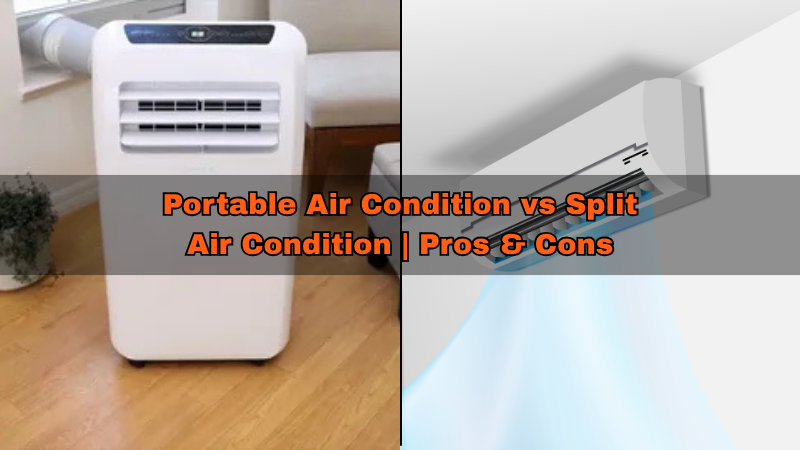
There are many questions about VRV systems and their difference from a conventional air conditioner. A standard split AC unit will have a single air conditioning unit on the outside and one on the inside and will cool one room. A VRV system, on the other hand, is a combination of multiple indoor units with a single outdoor unit, enabling individual rooms to run separately.
Another frequently asked question is if it can control several rooms with a VRV system? The answer is yes. They are designed to operate in different rooms or areas, responding to the occupants’ needs, and can be used in buildings with different rooms that need different temperatures throughout the day.
What is the difference between VRV and VRF?

That one of the most asked questions is whether VRV and VRF is different technologies, but they are not. In an actual sense, they’re the same sort of HVAC system. Both have variable refrigerant control systems for multiple zone heating and cooling.
The only difference is the name! VRV is a trademarked term by Daikin meaning Variable Refrigerant Volume. VRF is the generic/industry term used by other HVAC manufacturers, and it means Variable Refrigerant Flow.
As both systems work on the same principle, this is why many professionals interchangeably use the terms. If VRV or VRF appears on a project specification, the system typically features refrigerant flow control, inverter technology and zone based temperature management.
Once the system is designed, the name is not an issue for building owners. The key is the efficiency of delivering comfort and saving energy.
What is the working of a VRV Air Conditioner?
A VRV system is a system that is designed to monitor the cooling and heating needs of various spaces in a building and adjust the flow of refrigerant as needed. It does not provide the same quantity of refrigerant to all locations, it provides only the quantity required by each individual indoor unit.
The system automatically adjusts to changes in room temperature during the day. Indoor units are connected with the outdoor unit so that the compressor can vary its capacity depending on the need. This process allows to maintain thermal comfort and to minimize the energy consumption.
Outdoor unit is 16,656 pounds.Outdoor unit weight is 16,656 pounds.
The outdoor unit is the main unit of VRV system. Offers the compressor along with controls the circulation of refrigerant around the building.
The indoor units are mounted in a single room or zone. These units check the temperature of the room, and communicate with the outdoor unit. So, the required cooling or heating is provided in each space.
One of the common questions related to VRV systems is how many indoor units can interface with it. The exact number is dependent on system design and size. Large VRV installations, however, can have many indoor units connected to one outdoor unit which is ideal for commercial projects.
Variable Refrigerant Flow Control
The distinguishing characteristic of a VRV system is the flow of refrigerant that can be adjusted. If the load in one room is greater than the others, the system increases the flow of refrigerant into the room without impacting the rest of the system.
An inverter compressor plays an important role in this process. It does not have to keep turning the power on and off, but can vary its operating speed based on demand. This therefore reduces the energy usage and helps to stabilize the indoor climate of the system.
This process also helps to minimize wear on HVAC components. The compressor runs more smoothly and doesn’t cause the equipment to experience any performance problems over time.
Individual Zone Temperature Management
One of the main questions building owners ask is if every room can be individually set to a different temperature. The answer is yes with a VRV System.
The indoor units are individually controlled. A bedroom, private office, conference room or hotel suite can have a different temperature without impacting the surrounding areas.
This zoning feature enhances comfort and avoids energy waste. The system provides conditioned air where it is required, as opposed to cooling the entire building to meet the minimum requirement for the space.
A VRV system comprises of several key components.The basic parts of a VRV system are:
The components of every VRV installation are all dependent on each other. The knowledge of these parts is helpful to explain the efficiency of the system in climatic control.
Refrigerant circulation is controlled by the compressor in the outdoor condensing unit. It is the main cooling/heating capacity source for the coupled indoor units.
Indoor units circulate conditioned air around the building. Units can be wall-mounted, ceiling-mounted, ducted or cassette-mounted depending on the application.
Refrigerant pipes link outdoor and indoor units. This network allows for efficient heat transfer between the various components using the refrigerant.
The inverter compressor is a capacity control compressor. One of the key reasons behind the energy efficient operation of VRV systems is this component.
Centralized control systems enable the facility manager or the occupants to control and monitor the temperatures in several zones from a single location.
Main Components Of VRV system

Each VRV system requires a number of components to function. Knowing these components can help to understand the efficiency on which the system works to reach efficient climate control.
The compressor and regulates refrigerant flow is in an outdoor condensing unit. It is the main source of cooling and heating capacity for the associated indoor units.
The conditioned air is circulated around the building by indoor units. These units can be wall mounted, ceiling mounted, ducted or cassette style, depending on the application.
The indoor and outdoor units are joined by refrigerant piping. This network facilitates the circulation of refrigerant between the components, providing efficient heat transfer.
The inverter compressor regulates its capacity according to need. The high level of energy efficiency of VRV systems is largely due to this component.
The centralized control system enables facility managers or occupants to control and manage temperatures in each zone from one single point.
Benefits of Installing a VRV System
The advantages of installing a VRV system are abundant.The benefits of installing a VRV system are many.
A significant number of building owners question about the popularity of VRV technology in commercial and residential projects. It all boils down to efficiency, comfort and flexibility.
VRV systems have a variable capacity, as opposed to standard HVAC units that run at a set capacity, regardless of the conditions. This will help to increase comfort and lower energy use.
Energy Efficiency
One of the greatest benefits of a VRV system is the energy savings. The system operates as needed, avoiding unnecessary use of the refrigerant.
The inverter compressor also operates at variable speeds, providing even more efficiency. Consequently, the system will only use the energy required to keep the desired temperatures.
This can mean reduced electricity costs, particularly in buildings that have different energy usage throughout the day.
Independent Room Control
People have different thermometer preferences. In an office, one employee might want a cooler space while another might want a slightly warmer space.
VRV system enables the separate function of each zone. This control makes the car more comfortable inside, and enhances the level of satisfaction for the passengers.
This is a valuable addition for hotels, office spaces and upscale residences where space needs can vary.
Flexible Building Design
Modern buildings have intricacies in their design. Some have common spaces, meeting rooms, retail, private offices, open workspaces, and other common areas within the building.
These changing demands are easily met by a VRV system. Multiple indoor units are allowed to link to a single outdoor unit, allowing for flexible design, eliminating the need for significant ductwork.
This versatility can make it easier to install in larger facilities or renovation projects.
Reduced Operating Costs
While the cost of initial investment may be greater than some conventional systems, the cost of operation can be less in the long term.
Lower energy usage, optimized compressor performance and control, and accurate control of the environment provide lower utility costs per month.
As time goes on, many building owners discover that the savings outweigh a certain part of the installation price.
What are VRV systems used for?
VRV systems are widely employed in commercial applications due to their ability to control climate in various rooms and zones in a reliable manner. To provide a pleasant working environment throughout the day, office complexes may make use of the VRV technology.
Independent room control is also a benefit for hotels. The temperature in each room can be set to match individual preferences and will not impact on neighbouring rooms.
VRV systems are used in retail stores as its occupancy levels and cooling needs vary from time to time. These fluctuations are automatically taken care of by the system.
VRV is also commonly found on large homes. Multiple level, multi-room homes can keep their temperature comfortable while being more energy efficient.
Conclusion
The VRV system is an advanced HVAC solution that enables efficient cooling and heating in several zones with a single outdoor unit. It can control the refrigerant quantity to meet the actual load and control the temperature accurately with less energy consumption.
The inverter technology, independent control of individual rooms, flexibility in use and long term efficiency make it the first choice for offices, hotels, retail buildings and large residential buildings. VRV is still one of the best HVAC solutions today for buildings requiring reliable climate control in various rooms.